


Healthcare has been built on a reactive model for a very long time.
A symptom appears, then a patient schedules a visit, a test is usually ordered, a diagnosis is made, and then treatment begins. That process has helped millions of people, but it has also limited what healthcare can do. By the time action starts, the condition has often advanced.
I believe that is the wrong starting point for the future. Instead of asking, “How do we respond faster after something goes wrong?” The better question is, “How do we see trouble coming early enough to act before it becomes a crisis?”
That is what Healthcare 2.0 is really about. It is not a futuristic fantasy. It is not a promise of perfect certainty. It is the practical shift from a delayed response to an earlier insight. It is a move from episodic care to continuous awareness. And most importantly, it is a move from reaction to prediction.
Why has healthcare been forced to react instead of anticipate?


For most of medical history, healthcare could only work with snapshots. A patient came in for an appointment. A physician gathered information at that moment. The lab work provided another snapshot, imaging then offered another, and those pieces were valuable, but they were isolated. Between those moments, very little was visible.
That is why healthcare became reactive. It was not because clinicians lacked skill or care. It was because the system lacked continuous visibility. If change happened between appointments, there was often no way to detect it. If risk was slowly building, it remained hidden until symptoms became obvious enough to demand attention.
In other words, medicine was not designed around prevention because it did not yet have the tools to do prevention well. It was designed around intervention after evidence became visible. That model made sense in its time. But the tools have changed, and when the tools change, the model can change with them.
What has changed that makes predictive healthcare possible now?
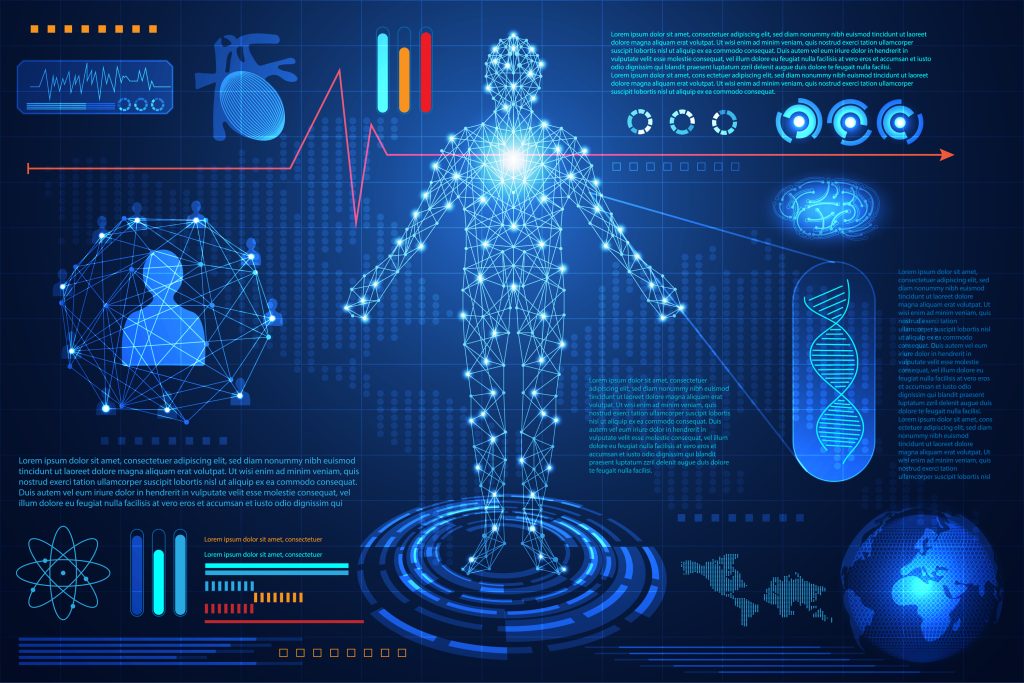

The biggest change is not philosophical, it is technological. We now have the ability to gather, process, and interpret health information in ways that were impossible before. Data no longer has to arrive only during office visits. It can now flow continuously from wearables, connected devices, remote monitoring systems, digital diagnostics, and genomic tools.
This creates a very different kind of healthcare environment. Instead of waiting for a patient to tell us something feels wrong, providers can often detect subtle changes much earlier. Instead of seeing only isolated events, they can see patterns over time. And instead of making decisions with limited context, they can make them with greater precision.
That shift matters because timing changes outcomes. When a risk is identified sooner, the response can be smaller, safer, and less expensive. The more time healthcare professionals have, the more options they gain. That is why predictive care is not about technology replacing care. It is about technology improving the timing of care.
What does predictive health actually mean?
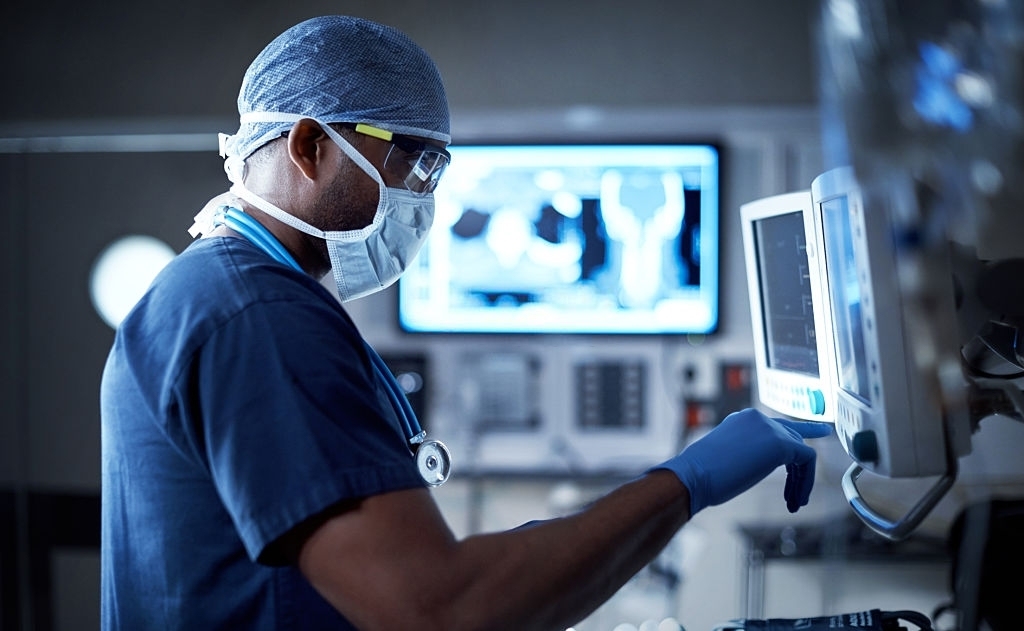

Predictive health is often misunderstood. Some people hear the phrase and imagine machines taking over diagnosis or systems making decisions without human judgment. That is not what I mean, and it is not what the best healthcare leaders are building.
Predictive health is about probability, not prophecy. It means using better information to recognize when risk is rising, when patterns are changing, and when earlier action could reduce harm. It does not eliminate uncertainty. It gives clinicians more clarity while there is still time to do something useful.
At its core, predictive health does three things especially well:
- It identifies elevated risk earlier.
- It monitors patterns over time instead of relying only on isolated events.
- It supports earlier intervention, often before a condition becomes severe.
That is a major change in mindset. Instead of asking, “What do we do now that the problem is here?” healthcare leaders can ask, “What can we do now so the problem never reaches its most dangerous stage?” That is a far more strategic question, and it leads to far better outcomes.
Where is predictive analytics already making a difference?


Predictive analytics is not waiting for permission to become relevant. It is already being used in hospitals, health systems, and care networks. In many cases, it is making a difference without drawing public attention because its best use is practical, not flashy.
A strong example is sepsis detection. Sepsis becomes deadly when warning signs are missed or identified too late. Predictive systems can track subtle physiological changes and alert clinicians before the situation worsens. Another example is remote monitoring for chronic disease. Patients with heart conditions, diabetes, or respiratory illness can be monitored from home, allowing intervention before hospitalization becomes necessary. Population health tools are also helping providers identify groups at higher risk and target preventive outreach more intelligently.
What makes these examples powerful is not automation alone. It is timing. The earlier a warning appears, the more likely the intervention can be simple rather than extreme. That reduces cost, lowers patient stress, and improves the chance of a better outcome. The value is not in replacing human decision-making. The value is in giving human decision-makers a better chance to act sooner.
How is biotechnology making medicine more personal?

Biotechnology is advancing another critical dimension of Healthcare 2.0: personalization. For years, medicine has relied heavily on standard protocols. Those protocols have been useful, but they often depend on averages. The challenge is that patients are not averages. They are individuals with different genetics, different drug responses, and different risk profiles.
That is why biotechnology matters so much. It allows healthcare to move from generalized treatment toward a better fit for the individual. In some forms of cancer care, tumor genetics already help guide treatment selection. In pharmacogenomics, clinicians can study how an individual metabolizes medication, which can reduce side effects and improve effectiveness. Biomarkers can also help determine which therapies are most likely to work for a given patient.
This does not make medicine perfect, and it does not guarantee ideal results. But it does reduce blind trial and error. That is a major advantage. Every step away from guesswork is a step toward better care, better outcomes, and greater confidence for both patients and providers.
Are digital diagnostics threatening human judgment?


This question comes up often, and the concern is understandable. When people hear about AI-assisted diagnostics or advanced imaging tools, they sometimes assume that human expertise is being pushed aside. I do not see it that way at all.
Digital diagnostics are most valuable when they strengthen human judgment rather than substitute for it. Imaging tools can help radiologists spot patterns more quickly. Cardiac rhythm systems can flag irregularities for review. Pathology tools can support the identification of subtle findings that might otherwise take longer to detect. But in each case, the clinician remains central. The technology surfaces information. The professional interprets it.
That distinction matters. Healthcare is a human-centered field. Patients do not simply need data. They need context, expertise, trust, and wise decision-making. The goal is not to remove the human factor. The goal is to equip the human factor with better tools and earlier visibility. In many cases, that means patients receive care before the need becomes urgent, which is better for everyone involved.


Subscribe to AlphaGamma!
Receive the latest articles, news, events, business & career opportunities to your inbox!
Why is this shift no longer optional?
The move toward predictive and preventive healthcare is being driven by forces that are larger than any one hospital, insurer, or health system. These are not temporary trends. They are long-term certainties that are reshaping the healthcare landscape.
Several Hard Trends are pushing this shift forward:
- Continuous data collection is expanding rapidly.
- Biological knowledge is accelerating.
- Rising healthcare costs are making prevention more valuable.
- Aging populations are increasing the need for earlier intervention.
When these forces converge, the direction becomes clear. Healthcare cannot remain centered on crisis response and still meet future demands effectively. The costs are too high. The inefficiencies are too great. And the opportunity to improve outcomes is too significant to ignore.
This is why I say the shift is inevitable. The real question is not whether predictive healthcare will grow. It is:
who will act early enough to lead it?
What does healthcare 2.0 really represent for patients and leaders?

Healthcare 2.0 is not a world without uncertainty. It is a world with better foresight. That is an important difference. We are not going to predict every illness perfectly, remove every risk, or prevent every emergency. But we can absolutely improve our ability to recognize patterns earlier, personalize interventions more intelligently, and reduce the number of situations that escalate into avoidable crises.
For patients, this means more timely care, more personalized treatment, and fewer moments when health problems become overwhelming before action begins. For clinicians, it means better context and better decision support. For healthcare organizations, it means more efficient operations, stronger outcomes, and an opportunity to move from reactive strain to strategic prevention.
This is not a distant vision. It is already taking shape in real-world systems right now. The organizations that understand the difference between certainty and foresight will have a major advantage. They will stop chasing every crisis and start reducing the number of crises that occur in the first place. That is a far more effective way to lead.
Are You ready to lead healthcare forward instead of waiting for it to change around you?
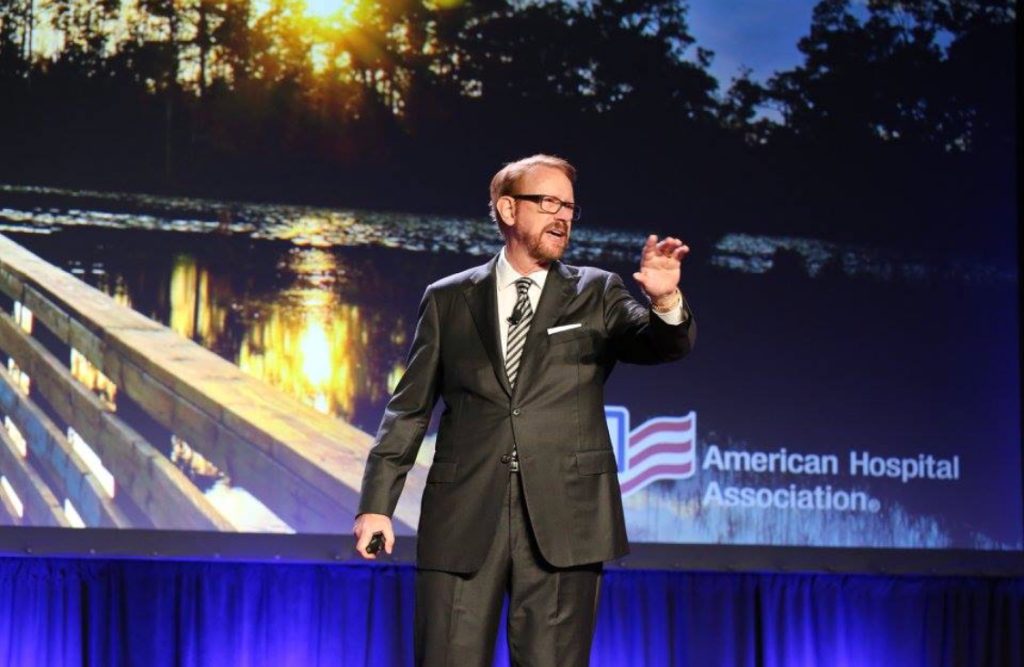

If you lead in healthcare today, you do not have the luxury of treating this shift as abstract. It is happening now. The move toward predictive, preventive, and personalized care is being driven by Hard Trends that will continue to accelerate whether we feel ready or not.
That is why leadership matters so much in this moment. Those who wait for certainty in every detail will move too slowly. Those who understand the certainties already in front of them can act with confidence. They can build better systems, improve outcomes, reduce avoidable risk, and shape a stronger future for patients and providers alike.
I have spent decades helping leaders identify the Hard Trends that will happen and use them to act before disruption becomes a crisis. Healthcare is one of the clearest opportunities I see today. The tools are improving, the need is growing, and the future is becoming more visible.
- Lead with foresight, not fear.
- Use prediction to improve prevention.
- Shape the future of care before it shapes you.
If you’re ready to move from reacting to anticipating, explore how to lead that shift at Burrus.com.
For more life-changing opportunities and tips on entrepreneurship and finance, subscribe to our weekly newsletter and follow us on X, Facebook, Instagram, and LinkedIn.