
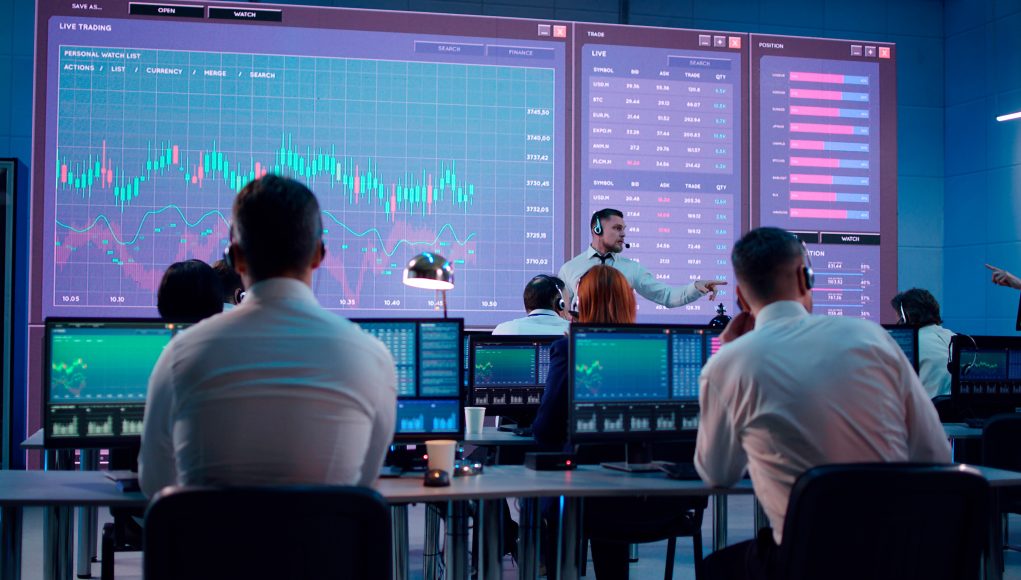
Algorithmic trading is a revolutionary technology that changes how investors approach financial markets.
Although this technology has been available at the highest levels, many retail/private traders are now paying more attention to trading algorithms.
And with artificial intelligence automating workflows in many industries, it is no surprise that traditional financial investment approaches, too, are changing.
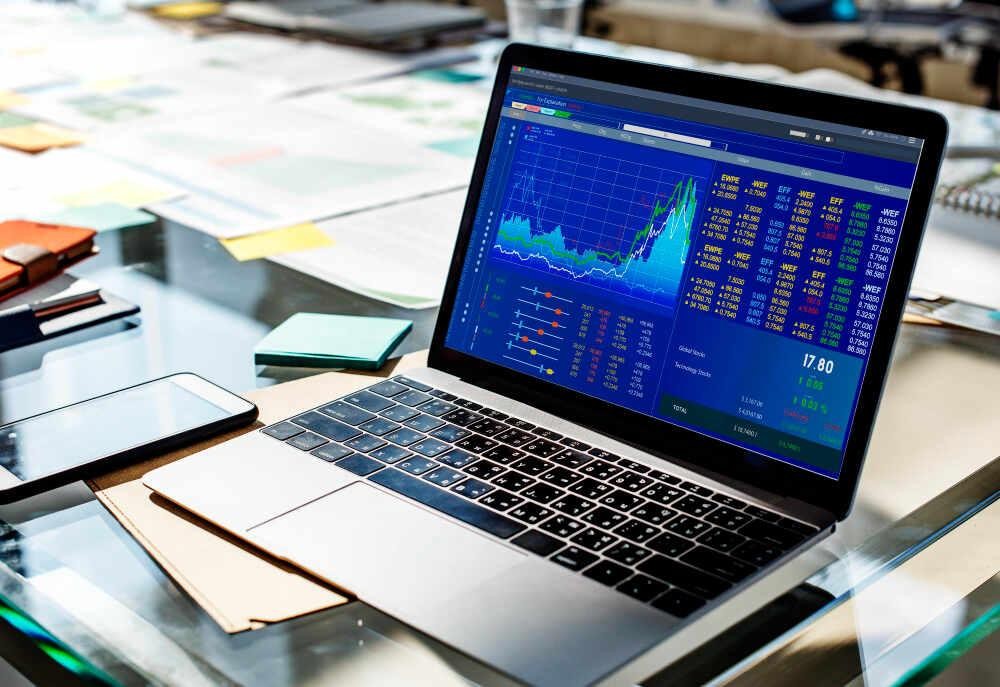
Algorithmic Trading: what’s it exactly?
Algorithmic trading, also known as high-frequency trading (HFT) or automated trading, involves using computer algorithms to execute high-speed trades.
In most cases, this results in higher efficiency and reduced transaction costs. Investing requires speed, precision, and accurate analysis; now, more investors rely on algorithms to blend all three for successful outcomes. One example: global industry leader OANDA online trading provides access and tools for algorithmic trading.
Here are some critical ways algorithmic trading impacts traditional investment approaches.
Cultural shift by algorithmic trading
Trading/investing has always been a human activity, and some cultural attachments have grown around investors over the years.
The human touch in decision-making, fear, greed, speed, efficiency, and how humans approach analysis are all changing. With algorithmic trading, investing is taking on a more machine-like quality, with improvements in specific areas.
There is also a growing cultural shift, especially among new traders starting with trading algorithms. Over the last four decades, the evolution of investing has seen brokers move from physical contact to fax and telephone, and now, to direct online contact with traders.
With algorithmic trading, new traders are starting their journeys in a vital era where machines complement human input and improve decision-making.
Increased algorithmic influence on decision making
Typically, investors form market bias/sentiments from technical and fundamental analyses. Access to real-time data and news ensures that investors can make on-the-spot decisions, which guide their investments. Now, they translate those decisions into complex rules and encode them into trading programs.
We even covered some of the best finance websites in a dedicated article on AlphaGamma.
Algorithmic trading is gaining more influence on decision-making, especially with the increased capacity for data analysis. Trading software allows investors to track and identify patterns from large data sets, achieving higher efficiency.
This shift towards systematic, rules-based strategies ensures that price, volume, timing, and other predefined criteria are always accounted for in every trade.

Subscribe to AlphaGamma!
Receive the latest articles, news, events, business & career opportunities to your inbox!
Speed and efficiency
Traditional investment methods are fast enough when all investors use brokers’ regular tools.
However, traders find it more challenging to keep up with the execution speed, especially in highly volatile markets. This is because many others use trading algorithms that guarantee speed and efficiency.
For example, it is nearly impossible for a human to execute over 100 trade orders in a second manually. Yet, trading algorithms can execute thousands per second, leveraging low latency and powerful computers. This speed could make a difference between losses and wins, and between small wins and the big ones!
Reduced human errors and enhanced risk management
The most important distinction between humans and trading programs is that humans are error-prone, while machines follow instructions to the letter.
This makes algorithmic trading the right choice for enhancing risk management and cutting out errors that stem from emotional trading.
This is a key area where algorithmic trading is impacting traditional approaches. Investors can automate trades based on specific rules; the execution will be seamless once all conditions are satisfied. It takes off the burden of constantly battling human emotions to not overtrade due to “itchy fingers.”
Impact on liquidity and market efficiency
Markets thrive on liquidity. Every move is sponsored by interest and is expressed by investors putting their money into the trade.
Today, the human-dominated forex market is worth about $7.5 trillion in daily trading volume. This includes spot, derivatives, futures contracts, and other trading currencies. Now, imagine faster and more efficient trading programs taking more trades. There will be a liquidity surge.
This means that robots could one day control markets, and trading volumes could easily triple the current figures. Traditional investing will see a total change with investors leaving the heavy lifting to automated bots.
Strategic investment
What happens when investors don’t have to spend much time analyzing big data? They focus more on strategic investment.
Today, more investors can be strategic, making decisions with long-term impact and incorporating data-driven tools. This sharpens their edge and gives them more advantages in trading.
Shift in job roles
Analysts, retail traders, investment and fund managers, and any job directly connected to financial markets may shift their roles as more people adopt algorithmic trading.
Think about it. Many traders spend hours on their screens daily analyzing markets and managing trades. With trading algorithms, most or all of that work could become automated with higher efficiency.
This will impact the way analysts and fund managers work. Incorporating trading bots into their daily activities will allow them to take more roles in management and ethical compliance while investing.
Closing thoughts: improving access to markets
Two barriers to investing are the learning curve new investors must go through and the initial costs of accessing efficient tools.
Thanks to platforms like OANDA and TradingView, investors can access algorithmic trading cheaply. This means a new investor can easily set up a trading algorithm or use an existing one and start trading even before they learn. That is unrivalled access!
What do you think? What trends in accessing markets do you see? Leave your comments in the comment section below.
For more tips on finance and entrepreneurship, subscribe to our weekly newsletter and follow us on X, Facebook, Instagram, and LinkedIn.